When people hear the term “sports massage,” many immediately think of professional athletes lying on treatment tables before major sporting events.
But sports massage is not reserved only for elite athletes.
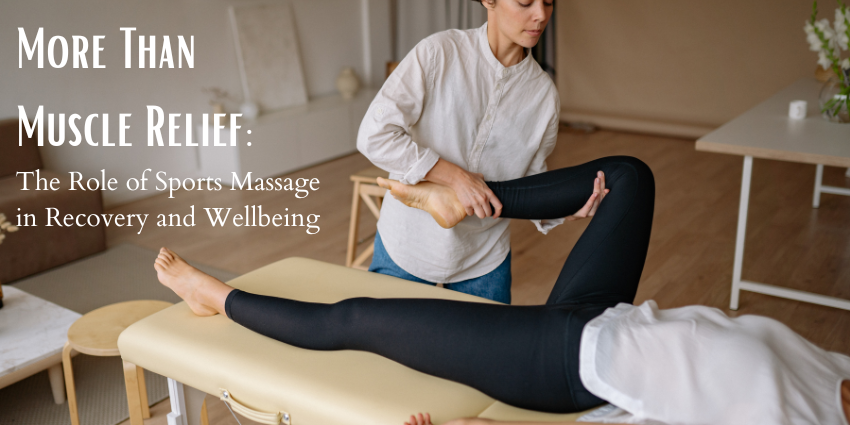
In reality, sports massage can benefit a wide range of people — from runners and gym enthusiasts to busy professionals carrying stress and muscular tension in their bodies every day.
Sports massage is often used as part of a broader physiotherapy approach to help improve recovery, reduce muscular tension, support rehabilitation, and optimise movement.
What Is Sports Massage?
Sports massage is a specialised form of soft tissue treatment aimed at addressing muscular tension, stiffness, fatigue, and movement restrictions.
Despite the name, it is not only for people involved in sport.
Treatment is tailored to the individual and may involve techniques designed to:
- Reduce muscle tightness
- Improve circulation
- Enhance mobility
- Support recovery
- Relieve tension
- Improve movement comfort
Sports massage can be used:
- Before exercise or events
- After training
- During rehabilitation
- As part of injury prevention
- For general muscular maintenance
Why Do Muscles Become Tight and Sore?
Muscles respond to physical and emotional stress.
Training load, repetitive movement, poor posture, prolonged sitting, stress, inadequate recovery, and fatigue can all contribute to muscular tension and discomfort.
Over time, this may lead to:
- Reduced flexibility
- Muscle fatigue
- Stiffness
- Pain
- Reduced performance
- Restricted movement
Sports massage aims to help address these soft tissue restrictions and restore more comfortable movement.
Common Reasons People Seek Sports Massage
People commonly seek sports massage for:
- Tight neck and shoulders
- Post-exercise soreness
- Running-related muscle tightness
- Lower back tension
- Recovery support
- Muscle fatigue
- Stress-related tension
- Preparation for sporting events
- General wellbeing and maintenance
Importantly, sports massage is not always about “deep pressure.” Effective treatment is individualised and adapted to the person’s needs and tolerance.
Sports Massage and Recovery
Recovery is one of the most overlooked aspects of both athletic performance and general wellbeing.
The body adapts and strengthens during recovery periods, not only during training itself.
Sports massage may help support recovery by:
- Promoting relaxation
- Reducing muscle tension
- Improving circulation
- Encouraging body awareness
- Supporting flexibility and movement
Many people also report feeling calmer and less stressed after treatment due to the effect massage can have on the nervous system.
The Nervous System Matters Too
One of the most important modern understandings of pain and recovery is the role of the nervous system.
Stress, anxiety, poor sleep, and fatigue can all increase muscle tension and pain sensitivity.
Sports massage may help shift the body from a heightened “fight or flight” state into a calmer, more relaxed state where muscles can release tension more effectively.
Sports Massage Is Not a “Quick Fix”
While sports massage can provide excellent symptom relief, it is often most effective when combined with:
- Strengthening exercises
- Movement rehabilitation
- Proper recovery
- Load management
- Good sleep
- Hydration
- Stress management
For recurring injuries or persistent pain, massage alone may not address the underlying cause.
This is why physiotherapists often combine hands-on treatment with rehabilitation programmes tailored to the individual.
Communication During Treatment Is Important
Many people assume sports massage must always be extremely painful to be effective.
This is not true.
Treatment should always remain within manageable limits, and communication between therapist and patient is important throughout the session.
Excessively aggressive treatment can sometimes increase muscle guarding rather than reduce it.
Looking After Your Body Long-Term
Our bodies work hard for us every day.
Whether through sport, work, parenting, stress, or daily responsibilities, muscles often absorb significant physical and emotional load.
Sports massage can be a valuable tool in helping people:
- Feel more comfortable
- Move more freely
- Recover more effectively
- Reduce tension
- Improve overall wellbeing
Sometimes caring for the body is not about performance alone — it is about creating space for recovery, balance, and better quality of life.